Why Product Photos Help Customers Buy Online
The Invisible Barrier to Greatness
A customer scrolling through an online shop sees a photo of a well-made leather wallet. The photo is dark and blurry, with a cluttered kitchen in the background. The customer may pass it by because the image does not show the wallet's quality. This can happen even when a small business has put care into making its product.

The Core Misunderstanding
The fundamental error many small business owners and brand founders make is believing that product quality alone will suffice in the digital realm. They invest heavily in materials, manufacturing, and unique designs, yet treat visual presentation as an afterthought or a cost to minimise. This perspective fails to grasp a critical truth: online, the visual *is* the product's primary ambassador. Without the ability to touch, feel, or directly inspect an item, customers rely entirely on visual cues to infer quality, trustworthiness, and value. This creates a 'visual trust gap,' where the perceived quality, shaped by presentation, diverges sharply from the actual quality, leading to lost sales and stunted growth for genuinely superior products.
What the Research Shows
Extensive research into online consumer behaviour consistently highlights the profound impact of visual presentation on trust and purchasing decisions. Stanford University's Persuasive Technology Lab, under the leadership of Dr. B.J. Fogg, has demonstrated through numerous studies that website design and visual aesthetics are among the top indicators consumers use to judge a site's credibility. Their findings indicate that poor visual design can lead users to immediately distrust a brand, regardless of the quality of its underlying offering. This initial visual assessment often overrides more substantive information, creating an uphill battle for any brand with subpar imagery.
Further reinforcing this, the Nielsen Norman Group, a leading authority in user experience research, has conducted extensive eye-tracking studies revealing how users scan web pages. Their research shows that users spend a disproportionate amount of time looking at images, and that these visuals are critical for conveying information quickly and efficiently. Products with high-quality, relevant images are not only viewed longer but also understood better and trusted more. Conversely, generic stock photos, low-resolution images, or inconsistent visual styles cause immediate friction, leading to higher bounce rates and abandoned carts, indicating a direct link between visual quality and commercial outcome.
In the digital storefront, a pixel is not just a pixel; it is a promise of quality, a testament to authenticity, and the very foundation of customer trust.
The Fogg Model: What Helps Customers Take Action
The Fogg Behavior Model, developed by Stanford University's Dr. B.J. Fogg, posits that for a person to perform a target behavior (like making a purchase), three elements must converge simultaneously: Motivation, Ability, and a Prompt. For small brands operating in e-commerce, visual presentation is not merely an aesthetic concern; it is the primary mechanism through which these three elements are activated or stifled. Exceptional visuals significantly elevate a customer's motivation, reduce perceived friction in their ability to understand the product, and serve as compelling prompts for action.
Poor images can make customers less interested because they do not show a product's value. They can also make it hard to see the product's size, details, or purpose. Clear, consistent images help customers understand what they are buying and make it easier to decide whether to purchase.

A Founder Who Got It Right
Consider the case of Aisha, a textile artist based in Accra, Ghana, who handcrafted exquisite, vibrant accessories and home decor using traditional Batik techniques. Her products were undeniably unique, ethically sourced, and of exceptional quality, but her initial online store suffered from low conversion rates. Aisha's challenge was a classic visual trust gap: her product photos, taken on a smartphone in her workshop, failed to capture the intricate details, rich textures, and cultural narrative that made her creations special. Customers saw beautiful patterns but couldn't discern the premium craftsmanship or justify the artisanal price point.
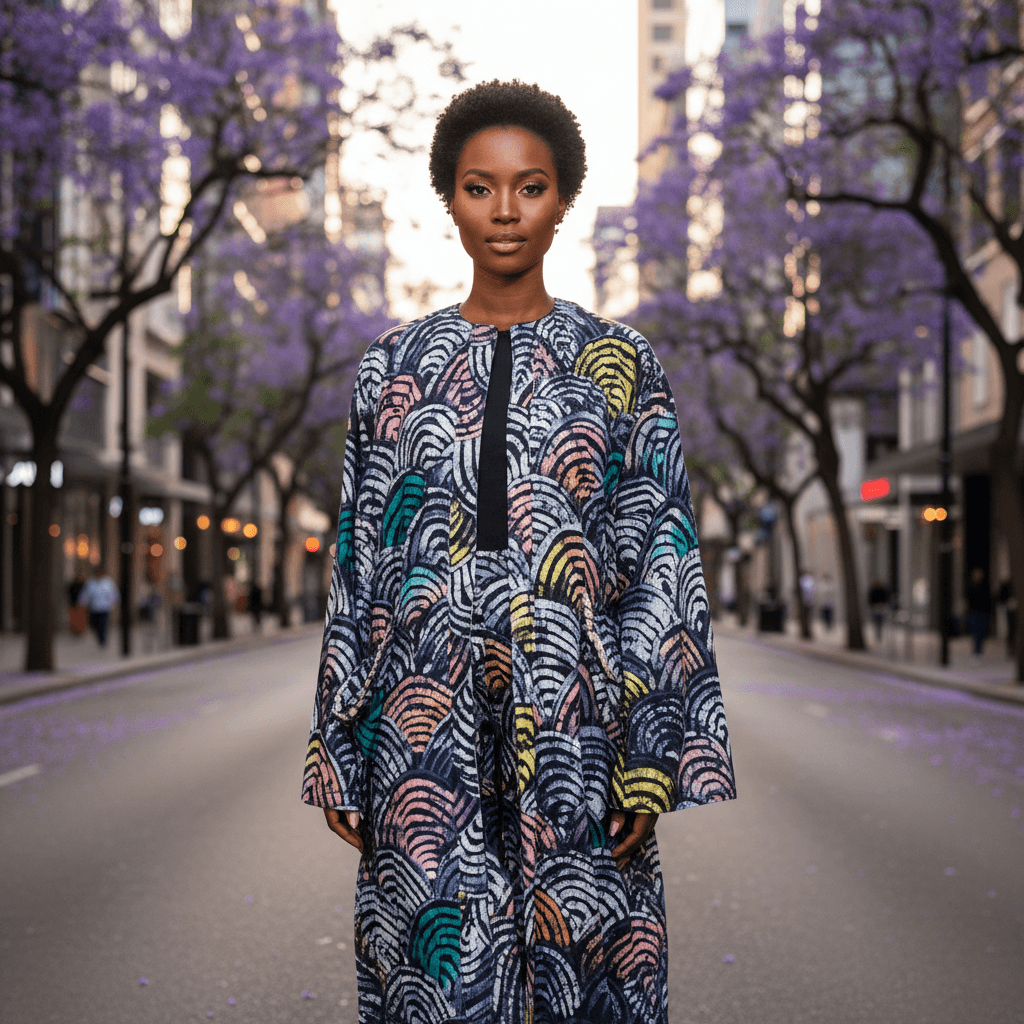
Recognising this bottleneck, Aisha invested in a professional photography session, focusing on lifestyle shots that showed her products in context—a vibrant cushion on a modern sofa, a scarf draped elegantly on a model. She also ensured close-up detail shots, consistent lighting, and a cohesive visual theme that echoed her brand's story. The outcome was transformative. Within three months, her website's conversion rate doubled, average order value increased, and she began attracting international buyers willing to pay a premium for her visually compelling, story-rich products. Aisha's success was not just about better sales; it was about finally communicating the true value of her artistry.
The most compelling product story is often told not in words, but in the silent language of well-executed imagery.
The Three Mistakes That Cost Founders Most
Founders can make three common mistakes with product images. First, using different styles on a website, social media, and ads can make a brand look unreliable. Second, showing a product only by itself may not help people imagine using it. Add pictures that show its size, use, or setting. Third, blurry photos, poor lighting, messy backgrounds, or inaccurate colours can make a good product look lower in quality and may cost sales.
Putting It Into Practice
To bridge the visual trust gap, founders must adopt a strategic approach to their visual assets. First, invest in high-quality visual infrastructure from the outset. This means allocating budget for professional photography and videography, treating it as critical operational expenditure, not a disposable marketing cost. High-resolution images, multiple angles, and consistent lighting are non-negotiable. For product-based businesses, consider 360-degree views or short video clips that allow customers to virtually 'handle' the item, significantly increasing their confidence and reducing perceived risk.
Second, develop a comprehensive visual brand guideline and adhere to it rigorously. This document should define your brand's colour palette, typography, image style, and overall aesthetic tone. Consistency across all touchpoints—from your website to your social media profiles and packaging—builds recognition and reinforces professionalism. A unified visual identity communicates stability and trustworthiness, helping customers form a clear and lasting impression of your brand. This discipline ensures every visual asset contributes to a cohesive and credible brand narrative.

Third, choose images that answer customers' questions. Show products in real settings and include different models and clear size references. Use diagrams or close-up photos to show important features, materials, or benefits. Helpful images let customers make informed choices and can build trust.
Where This Is Heading
Online shopping images will keep changing as customer expectations and technology change. In the next three to five years, more shops may offer virtual try-ons and 3D product views. Customers may also expect clearer information about how products are made, where they come from, and their environmental impact. Brands that do not improve their images may find it harder to show customers what makes their products worthwhile.