The World is Now Your Shoot Location: New Global Backgrounds and How to Direct the Perfect Shot
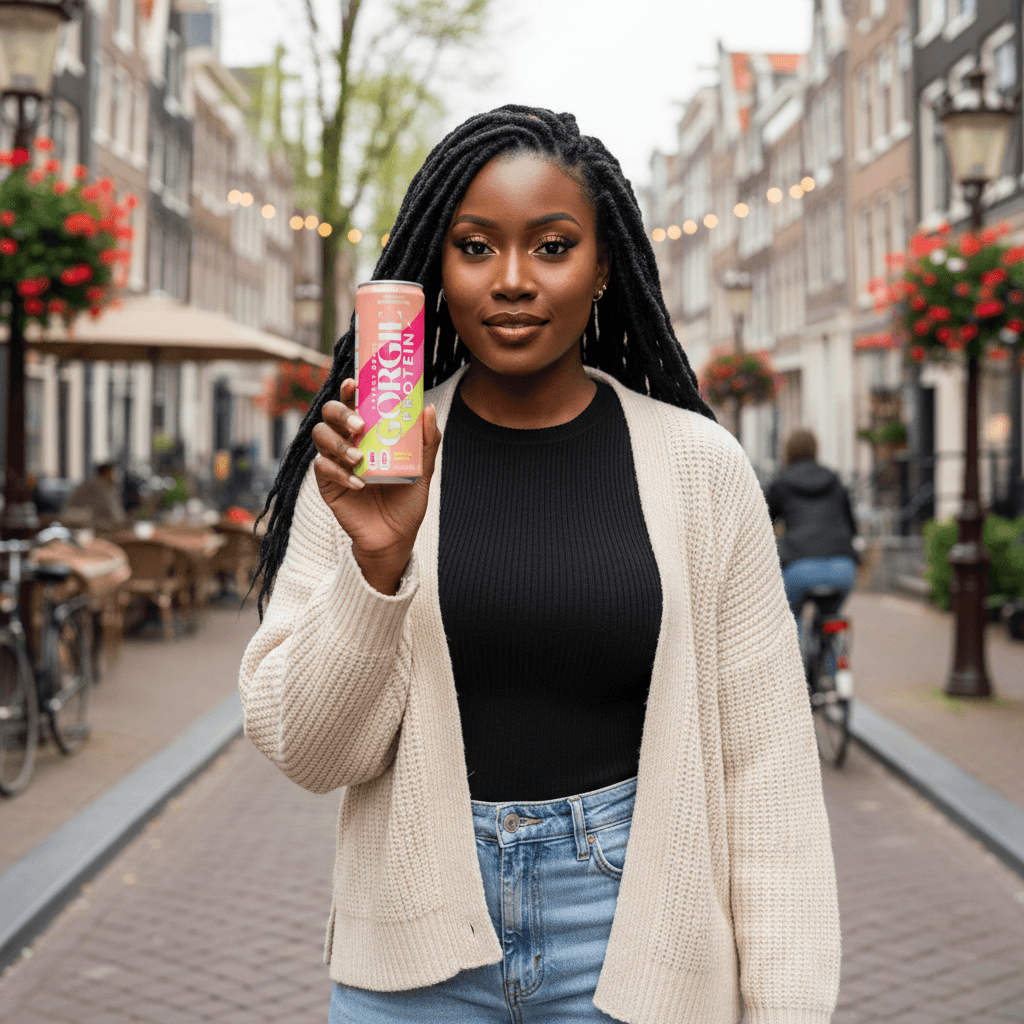
Where your product is seen matters almost as much as the product itself. A supplement held in a sterile white studio tells one story. The same supplement held on a busy Lagos road at midday tells a completely different one. A skincare serum photographed in a clean bathroom versus the cobblestone streets of Amsterdam's Jordaan quarter creates two completely different brand worlds.
Twiss has always understood this. But we have spent the last few months making the location options dramatically more powerful, more specific, and more globally representative. Here is what is now available and how to get the most out of it.
Africa is Fully Represented
This was a priority, and it shows. Twiss now includes street backgrounds across four major African cities, each with multiple distinct locations that go well beyond a generic 'African street.'
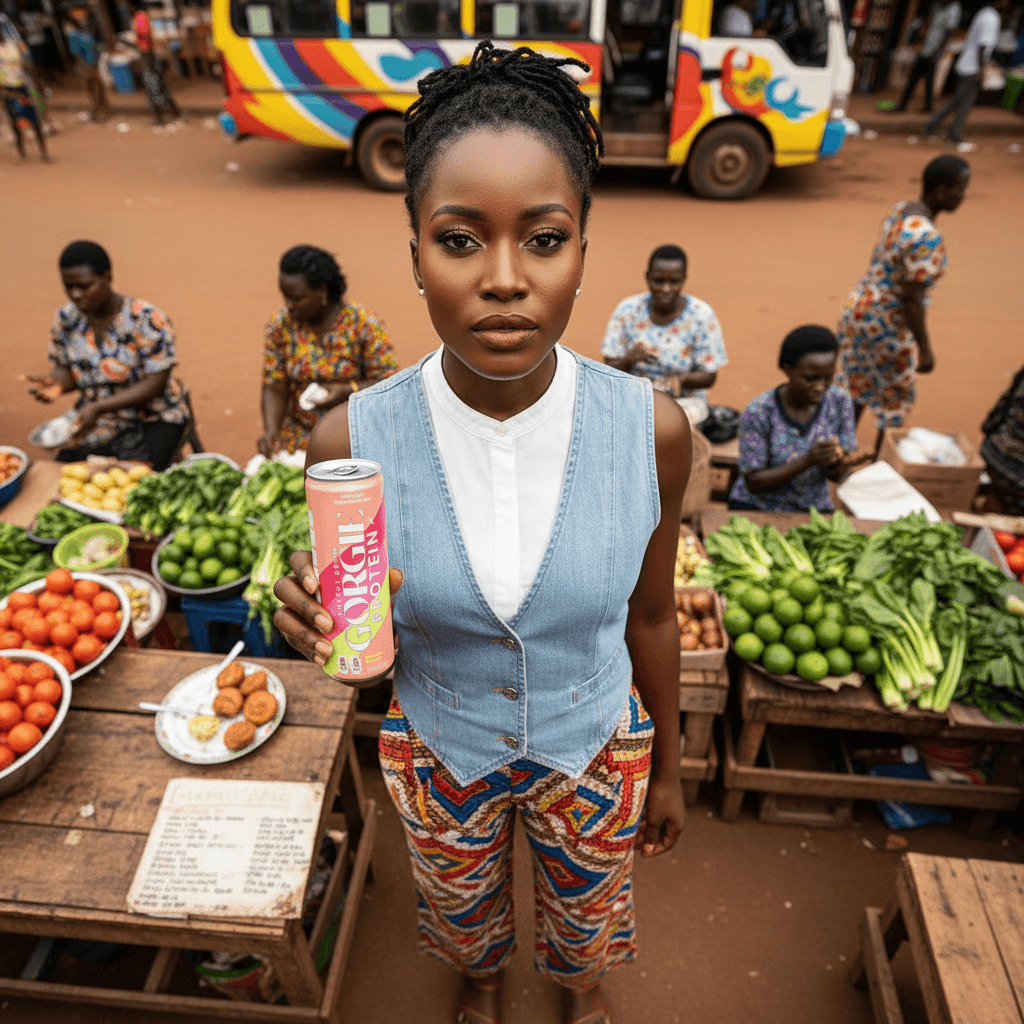
Lagos, Nigeria has four separate backgrounds. Lagos Road Traffic puts your model at street level with the city's famous yellow Danfo buses and Keke Napep tricycles behind them in realistic bokeh, exactly as they would appear if you were standing on the kerb. Lekki Phase 1 delivers a clean, modern boulevard with greenery and upscale residential architecture. Ikoyi gives you the quiet, tree-lined streets of one of Lagos's most established neighbourhoods. Banana Island adds a waterfront peninsula feel with a relaxed, aspirational atmosphere. For Nigerian brands, these backgrounds are immediately recognisable and culturally specific in a way that generic 'African street' options never are.
Nairobi, Kenya offers two backgrounds: a vibrant open-air market scene with colourful kanga fabric stalls, fresh produce, and authentic East African street energy; and Westlands, Nairobi's contemporary commercial boulevard lined with glass buildings, jacaranda trees, and the confident pace of modern Nairobi.
Accra, Ghana gives you two distinct looks: the main street with colonial-era buildings in faded pastels, open verandas, and hand-painted signage; and Osu Oxford Street, which is Accra's cosmopolitan side with restaurants, boutiques, and contemporary architecture alongside historic buildings.
Cape Town, South Africa covers two icons: the V&A Waterfront promenade with Table Mountain as a dramatic backdrop and the crisp South Atlantic light that Cape Town is known for; and Bo-Kaap, the instantly recognisable steep cobblestone lane with brightly painted Cape Malay houses in cobalt blue, hot pink, lime green, and canary yellow.
Europe and Asia: Specificity Over Generics
Generic 'European street' backgrounds are everywhere. Twiss chose specificity instead.
London, UK has three. East End or Brick Lane captures the authentic Shoreditch energy: Victorian yellow-brick terraces, weekend market stalls, large-scale street murals, and the flattering overcast London daylight that makes every skin tone look great. Notting Hill gives you the pastel-painted Georgian townhouses in powder blue, sage green, and coral pink that make this one of the most photographed streets in the world. Mayfair delivers the opposite: immaculate Portland stone, polished black railings, and the quiet exclusivity of old-money London.
Rome, Italy covers Piazza Roma with its warm travertine stone, Baroque fountains, and deep blue Roman sky at golden hour; and the Trevi Fountain, one of the most cinematic backdrops in the world, with warm amber light bouncing off ancient carved stone.
Amsterdam, the Netherlands has two very different looks: the iconic canal view with 17th-century Dutch gabled townhouses reflected in dark water, bicycles at the railings, and warm afternoon light on amber-red brick; and the Jordaan quarter, a cobblestone street lined with tulip stalls, cosy cafes, and string lights between buildings.
Paris, France brings a classic Parisian boulevard at 8am: Haussmann-era facades, wrought-iron balconies, a zinc-top cafe table catching warm morning light.
Tokyo, Japan has three backgrounds. Shibuya crossing at dusk with giant LED screens and streams of people in motion. Harajuku Takeshita Street with its colourful boutiques, crepe stalls, and pastel-painted shop fronts. And Neon Tokyo at night, a deep purple and blue cityscape lit entirely by glowing neon signs.
New York, USA adds Times Square with its wall-to-wall billboards and the electric density of Midtown Manhattan.
How Camera Angle Changes Everything
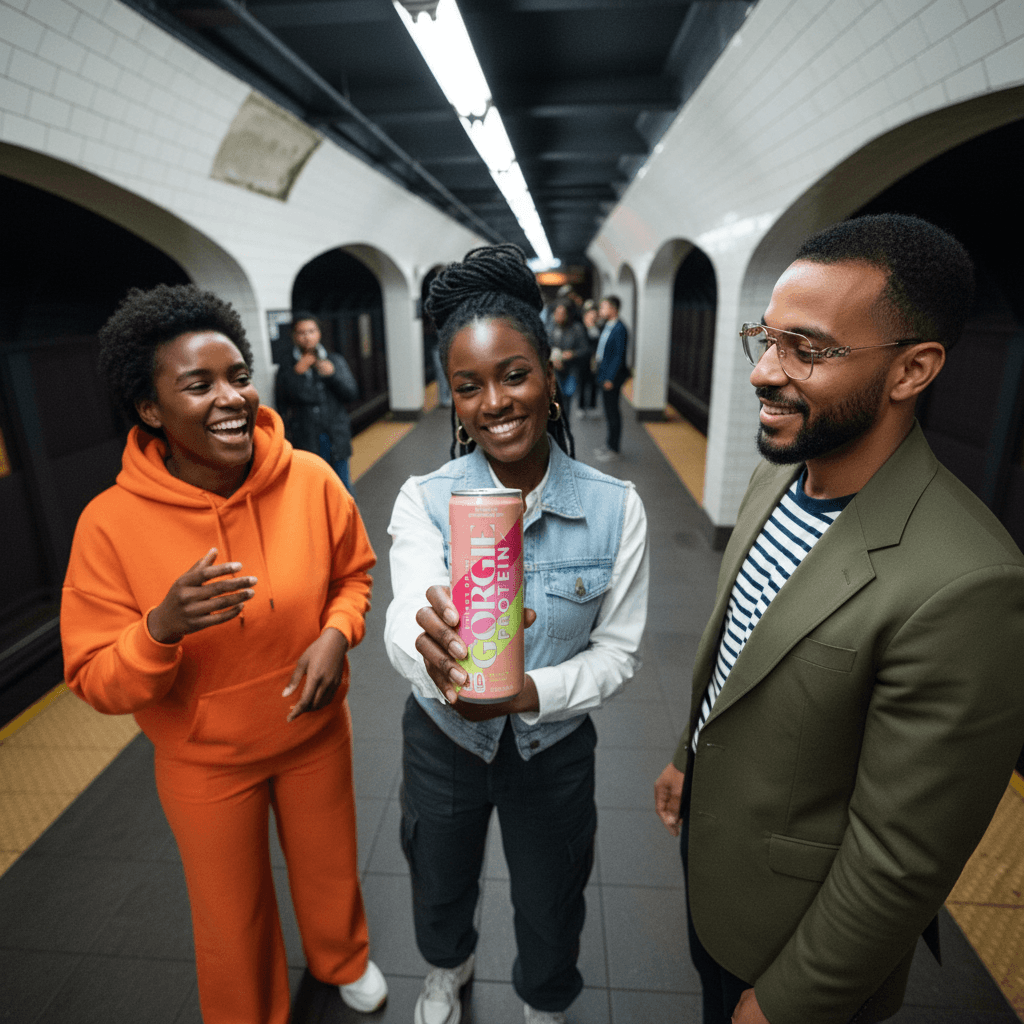
The location background sets the world. The camera angle tells the story within it.
Twiss gives you twelve camera angle options, and understanding what each one does is where you start getting genuinely cinematic results.
Eye Level is the foundation. Camera at the subject's face height, facing straight on. This is the natural UGC angle that feels like the viewer is being spoken to directly. Use it for testimonials, lifestyle posts, and anything where connection is the goal.
Low Angle puts the camera below the subject, pointing up. The subject looks powerful and confident. Use this in combination with Tokyo Shibuya or Lagos Road Traffic for an image that feels like a magazine cover.
Three-Quarter shoots at a 45-degree angle, adding depth and dimension. This works beautifully with the Amsterdam canal background, where the canal recedes into the background behind a sharply focused subject.
Over Shoulder places the camera behind the model, revealing both the subject and the full scene ahead. Pair this with Nairobi Market or Accra Street to put the viewer inside the location rather than just in front of it.
Dutch Angle tilts the frame, giving it an edgy editorial feel. Strong with Tokyo Neon Night or Festival Crowd.
Wide Angle pulls back to show the full scene. If you want the Bo-Kaap houses or the Trevi Fountain to be unmistakable, wide angle is how you show them.
Bird's Eye shoots from directly overhead, creating a graphic, flat-lay-style composition. Useful when the background itself is decorative rather than architectural.
Close-Up moves in tight on the face or product. When the background is Notting Hill or Mayfair, a close-up still carries the location's light and colour while keeping the product front and centre.
Genre Sets the Visual Language
Genre is the instruction you give to the entire aesthetic of the image. It shapes the model's expression, the energy of the lighting, and the overall mood. Choosing the right genre for the right background combination makes the difference between an image that works and one that is striking.
Streetwear / Urban genre with Lagos Road Traffic or Accra Street creates images with the kind of raw energy that social media responds to. It reads as authentic because the environment is authentic.
Luxury / Premium genre with London Mayfair or Paris Street produces imagery that sits comfortably next to a Chanel or Louis Vuitton campaign. Clean light, composed poses, expensive feel.
Travel / Adventure genre with Cape Town Waterfront and Table Mountain in the background gives your product a sense of aspiration and movement. The model looks like they are living fully, not posing.
Fashion Editorial genre with Rome Piazza or Amsterdam Canal produces the kind of image that belongs in a glossy magazine. Strong composition, dramatic light, and the kind of setting that makes the product feel significant.
Influencer / Social Media genre with Tokyo Harajuku or New York Times Square captures the high-energy, on-trend, everything-happening aesthetic that performs on Instagram and TikTok.
Pose Completes the Direction
With a location, a camera angle, and a genre, the pose is your final instruction to the scene.
A walking pose with a wide-angle camera on the Nairobi Westlands boulevard gives you someone genuinely moving through a real city. A leaning pose against the London East End brick wall with a three-quarter camera and streetwear genre reads as editorial and effortless. A laughing pose in Amsterdam Jordaan with warm afternoon light and a lifestyle genre is the kind of candid content that outperforms polished photography on every platform.
Selfie pose with eye-level camera and the Accra Osu background creates authentic UGC content that connects with West African communities immediately. Talking or thinking pose with a coffee shop or library background grounds the model in a scene rather than just placing them in front of one.
The Full Combination
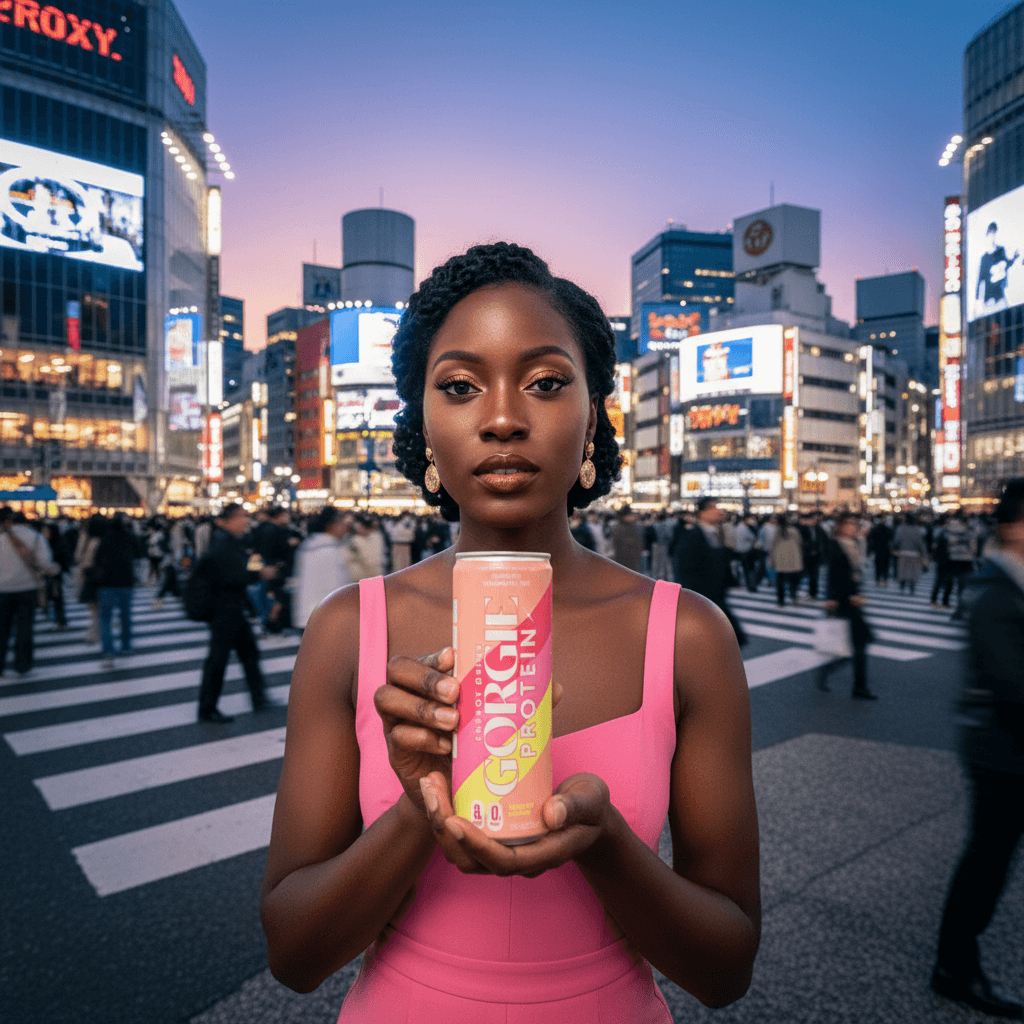
The real power is in stacking all four elements together. A single product can generate dozens of genuinely different content pieces by varying the combination.
Your skincare serum. Cape Town Bo-Kaap background. Low angle camera. Wellness genre. Natural pose. The result is aspirational, South African, and immediately distinctive.
Same product. Tokyo Shibuya. Eye level. Influencer genre. Selfie pose. Now it belongs in a completely different feed, speaking to a completely different audience.
Same product. Notting Hill. Three-quarter angle. Luxury genre. Walking pose. That is three images from one product photograph, each one suited for a different market and campaign.
This is what direction means in content creation. You are not just generating images. You are making creative decisions about world, light, energy, and story. Twiss gives you the tools to make those decisions precisely.
All of these location backgrounds are available now in the Create Content page under the Locations & Streets section of the background selector.