Why Twiss Images Look Real: The Science Behind Zoom-Proof AI Photography
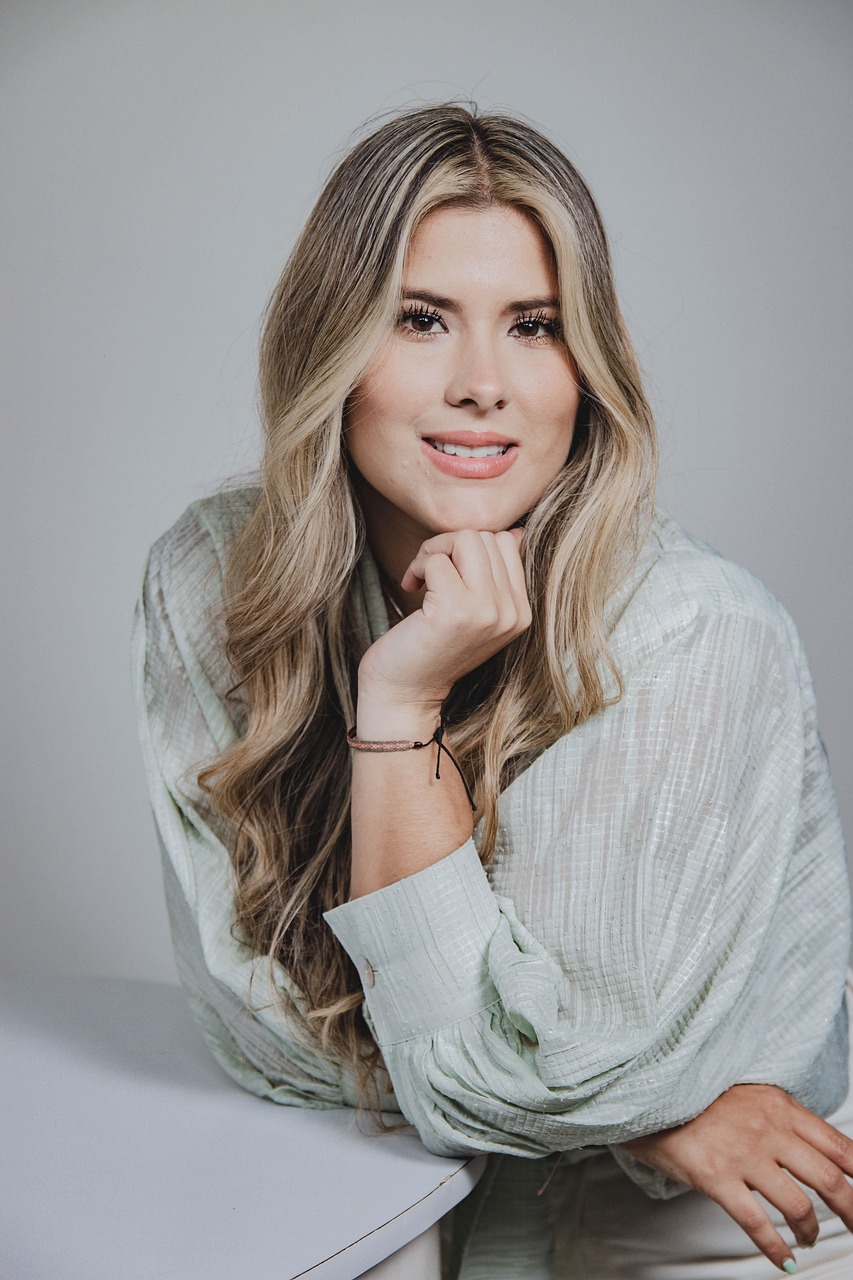
If you have ever used an AI image generator, you have probably noticed the problem: the outputs look synthetic. Smooth, plastic-looking skin. Perfectly symmetrical features. Hair that looks painted on. Eyes that glow like a video game character. It is the uncanny valley of AI photography. Technically impressive, but immediately recognisable as fake.
At Twiss, we believe AI-generated content should be indistinguishable from real photography. Not just at a glance, but even when you zoom in to 200%. We call this our zoom-proof standard, and it is what sets Twiss apart from every other AI content tool on the market.
The Problem with Most AI Images
Most AI image generators optimise for what looks impressive at thumbnail size. Smooth skin, vivid colours, perfect composition. But zoom in, and the illusion falls apart. The skin looks like porcelain. There are no pores. The hair is uniformly glossy. The fabric has no real wrinkles. These are the telltale signs of AI-generated content, and your audience can spot them instantly.
In a world where consumers are increasingly sceptical of AI content, this matters more than you think. A study by the University of Waterloo found that people can detect AI-generated images with about 61% accuracy, and that number is climbing as people become more media-literate. When your product photos look obviously AI-generated, you lose trust before the customer even reads your product description.
How Twiss Achieves Zoom-Proof Realism
Twiss uses a multi-layered approach to photographic realism that goes far beyond what typical AI tools offer:
Micro-Level Skin Texture: Our system specifically instructs the AI to render visible individual pores across the entire face (forehead, nose, cheeks) not just hinted at, but actually present at every zoom level. We also ensure natural colour variation between skin zones: cheeks slightly warmer, forehead a slightly different tone, the under-eye area with its own character.
Peach Fuzz and Vellus Hair: Real human skin has fine, nearly-invisible hair, especially visible when light hits from the side. This tiny detail is what separates a real photo from a render. Twiss specifically ensures this natural feature is preserved in outputs.
Subsurface Scattering: When light hits thin skin areas like ear edges, nostrils, and fingertips, it passes through and creates a warm, translucent glow. This is a fundamental property of real human skin that most AI generators completely ignore. Twiss does not.
Natural Imperfections: Tiny moles, barely-visible freckles, fine expression lines, slight uneven tone. These are not flaws. They are what makes a person look real. Our system celebrates these details rather than smoothing them away.
Lip Texture: Real lips have vertical lines, slight moisture variation, and natural colour gradients. They are not uniformly smooth or perfectly glossy. Twiss renders these details faithfully.
Camera Realism: Beyond the Subject
Realistic AI photography is not just about the person. It is about the entire image behaving like a real photograph. Twiss outputs include:
Authentic Bokeh: Real camera lenses produce slightly imperfect bokeh with hexagonal shapes, slight cat-eye distortion at the edges of the frame. Perfect circles are a dead giveaway of digital rendering.
Natural Sensor Characteristics: Subtle vignetting, slight chromatic aberration at frame edges, appropriate film grain or sensor noise. These imperfections are counterintuitively what makes photos look real.
Physics-Accurate Lighting: Consistent directional lighting with proper shadow physics where soft shadows have penumbra, hard shadows have defined edges. No flat, evenly-lit-from-everywhere look that immediately signals AI.
Fabric Behaviour: Cotton absorbs light differently than silk. Denim drapes differently than chiffon. Real clothing has wrinkles, seams, and weight. Twiss understands these material properties and renders them accurately.
Diversity as a Core Principle
Most AI tools have a well-documented problem with diversity. They often default to lighter skin tones, alter ethnic features to fit a narrow beauty standard, or produce inconsistent quality across different ethnicities. At Twiss, diversity is not an afterthought. It is a foundational principle.
Every ethnicity receives equal quality and attention. Skin tones are accurate and natural for the person's background. We never lighten skin, narrow features, or alter ethnic characteristics. Hair textures, from straight to coily, are rendered with the same level of detail and care. Body types are respected and represented authentically.
This is not just about ethics (though that matters enormously). It is about business reality. Your customers are diverse. Your content should reflect that. Brands that show authentic representation consistently outperform those that do not, especially with younger demographics who value inclusion.
The Technical Foundation
Behind the scenes, Twiss achieves this level of realism through carefully engineered prompt architecture. Every generation request includes detailed instructions about skin texture, camera characteristics, lighting physics, and anatomical accuracy. We reference specific professional camera models (Canon 5D Mark IV, Sony A7R IV) to anchor the AI's understanding of what real photography looks like.
We also enforce strict anti-synthetic checks: if the output has plastic-looking skin, unnaturally bright eyes, or uniformly smooth hair, our system identifies it as a failure. The standard is not whether the image looks good. It is whether the image looks real.
Why This Matters for Your Brand
Consumer trust in AI-generated content is a growing concern. A brand that uses obviously AI-generated images risks being perceived as cutting corners or being inauthentic. But a brand that uses AI-generated images that look indistinguishable from real photography? That brand gets the efficiency of AI with the trust of authentic content.
This is the Twiss promise: professional, diverse, zoom-proof content that your audience will believe was shot by a real photographer with a real camera. Because looking real is not just a nice-to-have. It is the difference between content that converts and content that gets scrolled past.
Try the Zoom Test Yourself
Do not take our word for it. Generate an image with Twiss, then zoom in on the skin. Look for pores. Look for natural colour variation. Look for peach fuzz. Compare it to outputs from other AI tools. The difference is immediately obvious.
The future of AI content is not about making images that look impressive at thumbnail size. It is about making images that look real at every zoom level. That is what Twiss delivers, and it is why brands trust us with their visual identity.