Beauty and Skincare Product Photography Guide
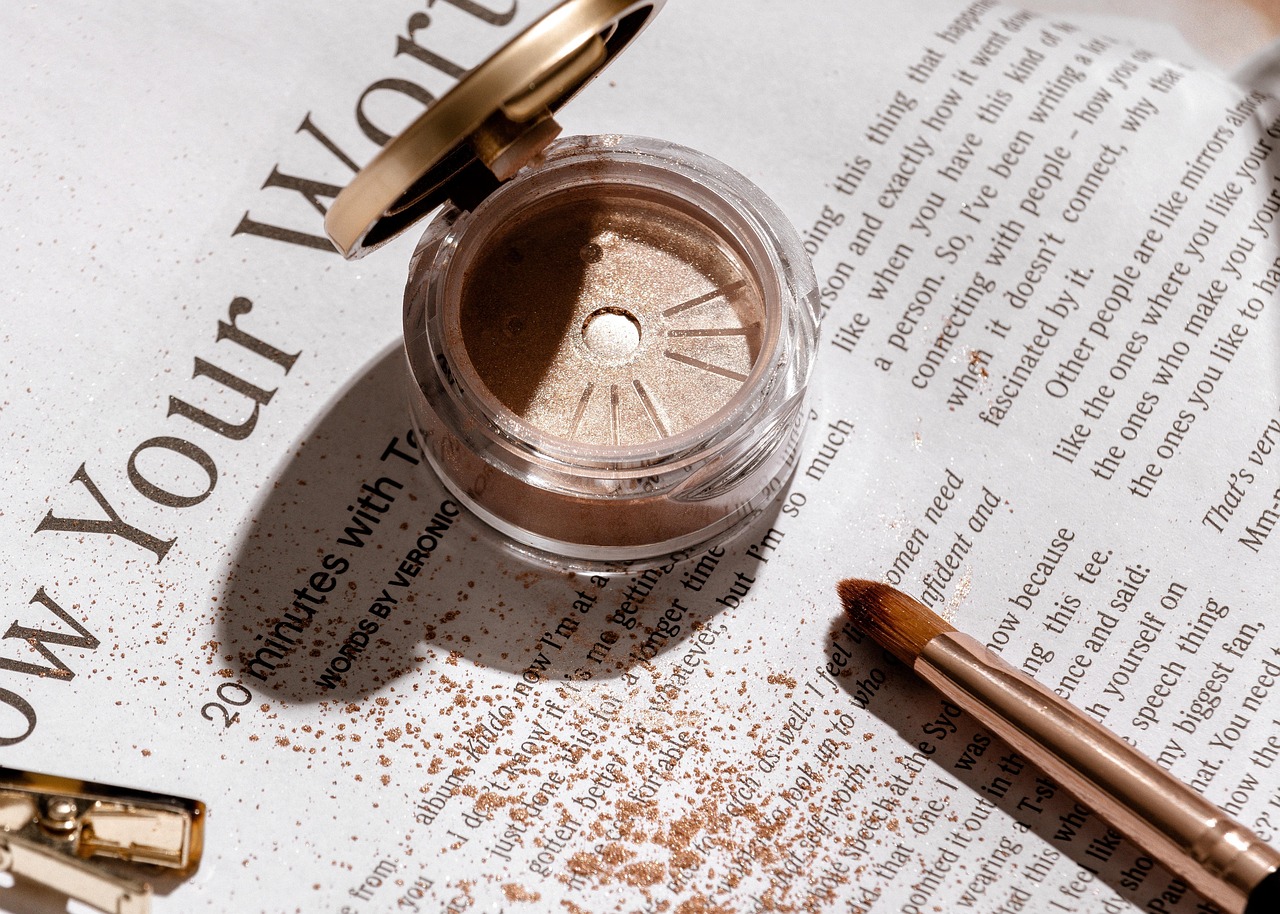
Beauty and skincare products present unique photography challenges. Reflective surfaces, transparent packaging, and the need to convey texture and quality require specific techniques. This guide covers everything you need to create stunning imagery for beauty brands.
Understanding Beauty Photography
Beauty product photography must achieve several goals simultaneously:
Show the Product: Clear, accurate representation of packaging and product.
Convey Quality: Premium products need premium imagery.
Suggest Experience: Help customers imagine using the product.
Match Brand Aesthetic: Align with overall brand positioning and values.
Different product types require different approaches. Lipstick photographs differently than serum, which photographs differently than powder.
Lighting for Beauty Products
Lighting makes or breaks beauty photography:
Soft, Diffused Light: Minimises harsh reflections on glossy packaging. Use softboxes, diffusion panels, or window light.
Gradient Lighting: Creates dimension on cylindrical bottles and tubes. Position light to create smooth transitions from light to shadow.
Reflection Management: Beauty products often have reflective surfaces. Control reflections with black and white cards strategically placed around the set.
Backlighting: Works beautifully for transparent serums and oils. Creates a luminous glow that suggests quality.
Experiment with lighting positions. Small adjustments create dramatically different results.
Styling and Composition
Clean and Minimal: Beauty products often look best in uncluttered settings. Let the product be the hero.
Texture Elements: Marble, linen, ceramic, and natural materials add sophistication without distraction.
Colour Coordination: Background and prop colours should complement product packaging.
Fresh Elements: Flowers, leaves, and natural ingredients used in products add context and freshness.
Swatches and Texture: Show product texture through swatches, smears, or application shots.
Specific Product Types
Lipsticks and Colour Cosmetics: Swatch application is essential. Show the actual colour on skin. Capture packaging open and closed.
Skincare and Serums: Texture shots are crucial. Capture the product itself, not just packaging. Show droplets, spreads, and application.
Powders and Palettes: Capture shimmer and texture. Angled lighting reveals particle quality. Show swatches on skin.
Fragrances: Suggest scent through styling. Use ingredients, mood lighting, and atmospheric imagery since you cannot capture smell.
Model and Application Shots
Products in use create powerful marketing imagery:
Skin Preparation: Models should have clean, well-moisturised skin. Subtle makeup enhances without distracting.
Natural Lighting: Soft, flattering light that shows skin texture honestly.
Diverse Representation: Beauty is diverse. Show products on various skin tones and types.
Authentic Moments: Genuine application moments feel more relatable than perfect poses.
AI tools like Twiss can generate diverse model imagery for beauty products, creating inclusive marketing content efficiently.
Flatlay Photography
The overhead flatlay is a beauty photography staple:
Arrangement: Create visual flow. Lead the eye through the composition.
Negative Space: Leave room for text overlays if images will be used for social or advertising.
Texture Variety: Mix products with ingredients, tools, and lifestyle elements.
Colour Stories: Coordinate products, backgrounds, and props around a colour theme.
Post-Processing for Beauty
Editing enhances but should not fabricate:
Colour Accuracy: Beauty purchases depend on colour. Ensure colours match real products.
Skin Retouching: Subtle enhancement only. Maintain natural skin texture and avoid artificial smoothness.
Reflection Cleanup: Remove distracting reflections while maintaining natural product appearance.
Consistency: Maintain cohesive editing across product lines and campaigns.
Social Media Content
Beauty thrives on social platforms:
Instagram: Polished, aspirational imagery. Reels for tutorials and reveals.
TikTok: Authentic, educational content. Ingredient explanations, routine videos.
Pinterest: Inspiration boards, product collections, tutorial pins.
Create platform-specific versions of product imagery optimised for each format.
User-Generated Content Strategy
Customer content builds trust in beauty:
Encourage Reviews with Photos: Real people using real products converts.
Create Shareable Moments: Packaging and unboxing experiences worth photographing.
Feature Customer Content: Share and celebrate community photos.
Hashtag Campaigns: Create branded hashtags for customer content collection.
Common Beauty Photography Mistakes
Inaccurate Colours: The cardinal sin of beauty photography.
Harsh Reflections: Destroy product detail and look unprofessional.
Over-Editing: Plastic, artificial results that undermine trust.
Ignoring Texture: Failing to show what makes products special.
Inconsistent Style: Undermines brand recognition and trust.
Master these techniques and your beauty product photography will capture attention and drive conversions.